on the CEFR & YouTube generation

20082008503

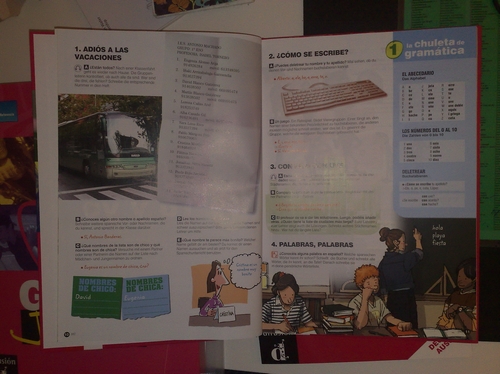
What you see here is the first page of a brand new textbook for 12-year-old German kids who want to learn Spanish (as a foreign language).

It starts with a listening comprehension unit and provides relatively short exercises throughout the whole textbook. Nothing really new so far, but with the difference that most pages come within a teen magazine style.

20082008505

And that’s exactly the trend today: providing small bits of information which may then be served to the inattentive YouTube generation – a new generation used to max. 10-minutes videos online, single mp3 files instead of complete (music) albums, Google-able knowledge and interests for specific topics (only).

This development, however, is not as bad as it may sound in the first place. Sure, today’s kids may find a different learning environment than what we had when we were kids, and one could argue if a school should continue supporting this open, free & easy approach. But then, in today’s world where everything and everyone needs to be *special*, needs to have specific knowledge on something and thus requires much more of this *modular knowledge* (as I call it – modular, as in exchangeable), it’s very interesting to see that publishers are already starting with textbooks to adopt to new learning (teaching?) methods.

It’s not that things had really changed over the years when it comes to language textbooks. I remember having a longer discussion with my mum many years ago on such a topic where we were both wondering about the very strange and embarrassing approach in textbooks for German as a foreign language (Deutsch als Fremdsprach, DaF). Some of those exercises were just so….ouch! + *sigh* + out of this world.

The real difference between this DaF textbook back in the days and today’s “Gente Joven” Spanish textbook is that the latter is focused on the YouTube generation.

Now, if we argue that the next generation is our biggest asset – how will they perceive this world in future, how will this upcoming generation positively influence the future and in which way does their specific knowledge, paired with a healthy ambition to win competitions, contribute to the future?

In the end, it all starts with what we’re providing them with right now – as much as our own success is based on previous generations (e.g. the creation of programming languages and integrated circuits, implementation of a world-wide IT network, etc.).

Another interesting developement is the introduction of A1/A2, B1/B2, C1/C2 levels on a school level – the Common European Framework of Reference for Language (CEFR): Learning, Teaching Assessment

20082008507

… which provides “clear standards to be attained at successive stages of learning” and helps to evaluate “outcomes in an internationally comparable manner”. I wish we already had this system way back in school!

Clearly, the harmonization of (language) learning levels and setting of standards is a very good way to create a common basis in Europe. Imagine the problems I am always having explaining my German degrees to the English speaking world… and again, Europe is becoming such a modular world.

Kubuntu & ich

Ich finde es erstaunlich, wie sehr ich mich in den letzten Tagen an Kubuntu (KDE) gewöhnt habe. Meinen zweiten Rechner im Büro (nen altes TOSHIBA Tecra S1) habe ich inzwischen auch schon mit Ubuntu (Gnome) ausgestattet, dort aber als Windows Install über Wubi.exe, einfach um nur mal zu sehen, wie das alternativ läuft.

Mein Rechner zu Hause (HP nx8220 laptop, 1,86 GHz Centrino, 2 GB RAM, 120GB HDD) ist mit WinXP & Kubuntu 8.04 bespielt, habe den Bildschirm letztens ein bißchen an mein WinXP feeling angepasst (mag es einfach + ohne Effekte), mit den Windows Schriftarten und der gleichen Tapete wie bei WinXP im Hintergrund.

Der Grundbedarf an Programmen entspricht ca. dem was ich unter WinXP mache, es ist alles dabei und was dann wirklich nicht verfügbar ist, läuft entweder unter Wine oder direkt unter XP.

Eben beim Schreiben dieser Zeilen dachte ich mir, nee, moment, stimmt das wirklich? Was ist mit Nemetschek (CAD), ArcView (GIS), Aquasys (Hydrologie)? Was ist mit diversen shareware Programmen wie zB PaintShopPro (welches ich seit Jahren zufrieden benutze einfach weil mir Photoshop immer zu umfangreich war)? Kann Gimp wirklich Photoshop & PSP ersetzen? Na klar! Und die spezielle Software gibt es auch für Linux Systeme – dann sogar meist kostenlos. Dies ist übrigens auch ein Grund, wieso ich mir die Tage selber auferlegt habe, bei Bildbearbeitungsaufgaben im Büro nur noch Gimp zu verwenden (vom Stick, portable Version). Mzeecedric macht es wohl ähnlich, oder?

Über den Wechsel von Windows zu einem Linux-basierten Betriebssystem gibt es tausende von interessanten Blogeinträgen – allein den Wechsel selber zu erfahren und einfach mal durchzuziehen, empfinde ich als eine gute Erfahrung, die man mal selber machen muss. Meine Zeitinvestition bisher bei den Einstellungen (wo kann ich was einstellen? wie hängt was zusammen? wo sind die Applikationen? etc.) beläuft sich auf ca. 8h.

Ein Beispiel: die “Installation” meines Yakumo DVB-T Quicksticks (nur digital, mit dem hybriden digitalen/analogen hatte ich auch schon diverse Probleme unter XP früher) zum Fernsehschauen auf dem Laptop hat innerhalb von 1 Minute geklappt. Nix Treiber extra installieren. Nur Me-TV über den Paketmanager herunterladen, starten, Stick wurde erkannt und innerhalb einer Minute waren alle Sender gefunden. Was will man mehr? Zum Vergleich: unter WinXP muss man erst die Treiber des baugleichen Freecom-Sticks installieren (bzw erstmal die Routine haben, dass Treiber von einer mitgelieferten CD eh nicht aktuell sind), dann idealerweise ProgDVB laden (shareware aus Russland) und hoffen, dass die Software wg der BDA-Treiber nicht abschmiert.

Es sind genau diese Kleinigkeiten, bei denen ich dann denke: klar, jetzt kann ich auch die Apple-User verstehen. Der Erfolg von Apple vor allem in den USA zeigt doch vor allem, dass die Benutzer ein funktionierendes System (gegenüber) der Vielfalt an Möglichkeiten vorziehen. Genau dieses “alles passt”-Gefühl habe ich jetzt unter Kubuntu.

Und dann wundere ich mich, wieso ich Bekannten und Verwandten in der Vergangenheit nicht doch zu Linux geraten habe. Für die meisten Zwecke (Internetsurfen, Office, Solitär spielen) ist Kubuntu völlig ausreichend und vor allem sicherer als dieses WinXP.

*Sicherer* bedeutet für mich, dass ich meiner Mum zB gerne einen 1GB USB Stick geben würde, den sie dann für ihre Arbeit als DaF-Lehrerin benutzen kann. Wenn ich ihr aber einen solchen Stick gebe, wird der mit ziemlicher Sicherheit innerhalb kürzester Zeit malware-versucht sein und ihr System infizieren. Ich wohne aber zu weit weg, um einfach mal vorbeizuschauen und Computerprobleme zu richten.
Wenn ich ihr System jetzt auf Kubuntu umstellen würde, könnte ich ihr guten Gewissens so einen Stick in die Hand drücken, da sich diese malware nicht auf dem Kubuntu System vervielfacht.
Nachteil jedoch: viele inkomatiblen Probe CDs aus dem Sprachunterricht würden uU nicht funktionieren weil die nur auf Windows ausgelegt sind.

Und das ist total ärgerlich, da meiner Meinung nach die Mehrheit der Computer-Gelegenheitsnutzer (aka Generation Golf, die als Singles am WE durch Singlebörsen surft) mit so einem System wie Kubuntu ideal bedient wäre. Wer von dieser Zielgruppe hat denn eigentlich seinen *Eigene Dateien* Ordner auf eine andere Partition (sofern vorhanden) ausgelagert oder gar gesichert? Eben.

Wenn man allerdings seit Jahren nur mit Windows arbeitet, die Jahre der HomeComputer (Atari, Amiga, C64) schon ein viertel Jahrhundert zurückliegen und man so in dieser Windows-Denkweise drinsteckt, ist ein Wechsel zu einem anderen Betriebssystem unheimlich schwer.

So beschränkt sich das bisher meist nur auf freaks bzw. auf diejenigen, die Zeit für eine Umstellung opfern und den Wechsel auch wirklich wollen.

Jedes Mal wenn ich unter Kubuntu arbeite, ärgere ich mich, dass ich vieles noch nicht verstanden habe und frage mich dann zB, wieso es “nicht so einfach wie bei WinXP” sein kann. Dabei ist es vielmehr die Gewohnheit, die mir WinXP vertrauter erscheinen lässt. Einfacher ist es dort nämlich auch nicht.

Ich bin gespannt, ob und wie sich meine Arbeit am Computer zukünftig von XP zu Kubuntu verlagern wird. Gerade hinsichtlich der Verbreitung von freier und offener Software (+ Betriebssysteme) und meinem an dieser Stelle oft geäußerten Wunsch, alle wichtigen Computersysteme in Kenia mögen doch bitte auf ein Betriebssystem wie Ubuntu umgestellt werden, empfinde ich es als sinnvolle Investition, sich rechtzeitig mit Alternativen vertraut zu machen.

(disclaimer: meine ersten aktiven Unix Berührungen machte ich 1996 an der FH FFM und war damals eher abgenervt, die ersten populären SuSe Distributionen waren auch nicht so der Hit. Mit Apple’s OS konnte ich mich ob der beschränkten Möglichkeiten nie anfreunden. Richtig Spaß (!) macht mir das alles erst seit Ubuntu 5.04.)

@Turbodave: habt Ihr bei der neuen Airline eigentlich auch Ubuntu-basierende Laptops? Du hattest ja imho schon mehrfach gewechselt zwischen den OS, jeweils mit gemischten Gefühlen…

interns!

Dear applicants for an internship (whereever),

pls allow me to provide the following advice on improving your applications:

When applying for an internship or a job, pls make sure to include a letter which explains why you want to work with Acme Inc. and why you think you are qualified for the position.

Pls format* your CV & letter in an eye-friendly way, e.g.:

  • one font
  • clear structure
  • no typos
  • save as PDF

I may be a bit too German aka the “grammar nazi” aka following a certain norm on this, but then: there sure is a reason why ppl sometimes are refused a position.

In other words: what’s the use of employing someone who even has a PhD in something if he/she can’t even write a proper business letter or follow simple formatting guidelines?

I have really come to appreciate formatting norms and – while you won’t have to use progs like LaTeX & Co to ueberformat your work – i’d really appreciate if ppl just stop this *copy & paste culture* and start preparing their work in an easy-to-read format.

I will also have to improve my own style, so I do not exclude myself from this mwalimu mkuu wisdom.

(* = you won’t have to be a design student or Apple user or even coder to understand this simple guideline. If in doubt, pls use a template!)

MS Exchange & me (as a user)

Why do ppl use the calendar on Microsoft (Office) Outlook? – Because it runs on their place of work and syncs with their PDAs.

In my case: I use MS Outlook under WinXP (at home) to sync the address book on my mobile phone (despite of online service as mentioned earlier). I could just as well use an alternative e-mail client, but I am using MS Outlook (under XP, that is).

There’s this colleague of mine who uses an MS Excel sheet to manage his appointments. Needles to say that these sheets are on his computer only and remain there.
We requested him to open up his calendar to the whole team but he hasn’t done so since then.
I am not the one to complain about this because I am also hardly ever using that MS Outlook calendar at work.

outlook2003 preview 07
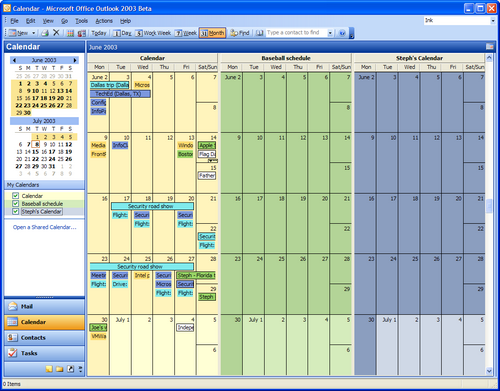
screenshot of a calendar @ MS Outlook 2003

The other day an old friend of mine (who happens to work in the same organization) asked me if I’d like to have lunch with him. Now, instead of just accepting my “OK”, he then proceeded and sent me a request for the Outlook calendar. Since we both work at the same company, since we’re both using Outlook to organize our schedules, since he has a company phone that syncs with our MS Exchange server – all of this makes sense (for him).

However – I am not using a company phone. And I do prefer running a paper version of my calendar. If it had to be an electronical version, I would love to have one that:

  • syncs with just about any phone / PDA / etc.
  • syncs with any corporate IT structure & their regulations (!!!!)
  • is an all-in-one solution for private and professional contacts
  • has a public and private section

Google Calendar…is it a suitable alternative for my needs?

And: a request for an open synchronisation – is that due to MS Exchange or the inability / unwillingness of our IT dept. to unlock this special mode due to security reasons & co? What is MS Exchange capable of and what kind of services are used? What is required so that users from different organisations can have one tool online that manages their schedules and still syncs with all different systems? Which system doesn’t require one single server but instead just syncs different servers & user data to a global network? Which system (mabye Zimbra?) enables me to sent a request for an appointment to a user that isn’t connected to our MS Exchange server?

mal schön Flagge zeigen (sic!)

studivzgegennazisaktion

Ah, wieder so ne verlogene Scheisse…oder vielleicht bin ich auch einfach nur zu anspruchsvoll, als dass mir der Sinn einer solch öffentlichen Mobilmachung nicht bewusst werden will.

…Hier findest du die neuesten Informationen über Strategien, Musik und Kleidung der Neonazis.

Aufm Studivz läuft zZt so ne Werbung gegen Nazis, was ja auch politisch korrekt ist und sicherlich wunderbar ankommt. Wenn der Sinn des Studivz darin besteht, so vielen aussagekräftigen oder gerne auch sinnlosen Gruppen beizutreten, die dann in ihrer Gesamtheit ein mehr oder weniger genaues Bild bzw Image eines *Profils* wiedergeben sollen, dann erfüllt diese Gruppe sicherlich auch ihren Zweck. Nebenbei wird so die Plattform “sauber” gehalten.

Für mich befremdlich wirken solche Aktionen allerdings hinsichtlich des Feindbildes – als dass ich da zu wenige Idioten erkennen mag. Es mag ja sein, dass in meinem kleinen Mikrokosmos zu wenige Neonazis auftauchen um der Gesellschaft jetzt kollektiv den Stempel aufzudrücken, aber ich wundere mich immer noch. Ja, ich wundere mich.

Mein österreichischer Vermieter würde jetzt sagen: “Wissens, die Deutschen…naaa…die sind so faschistisch. Also die Anderen auch, aber die Deutschen die rufen im Radio an um ne Radarkontrolle zu melden, und wundern sich dann wenn ein Kind doootgfahrn wiard. Ich find die sollten dafür ins Gfäängnis kommn.”

Hmm. Vielleicht nicht unbedingt das beste Beispiel, jedoch: bei solchen Aktionen, die dann nur einen *click-of-a-button* entfernt sind, springen viele auf den fahrenden (Image-)Zug, aber bei anderen Dingen, die ein selbstständiges, eigenverantwortliches und mutiges Handeln beinhalten, wird oft der Schwanz eingezogen. Das ist so eine falsche Genauigkeit für mich.

Bei einem so klar ausdefinierten Feinbild vermag es ein Leichtes sein, “Mut” oder Gruppenzugehörigkeit zu beweisen. Die für mich offene Frage: wieso gibt es so eine Werbung nicht für Zivilcourage, sozialen Einsatz für die Gesellschaft oder einen neuen Generationenvertrag?

Oder anders gefragt: was hat die leidvolle DuBistDeutschland-Kampagne von vor drei (?) Jahren eigentlich gebracht?

Fickt die Nazis, es gibt ganz andere Probleme heutzutage. Macht dafür mal Gruppen, werdet aktiv und mischt Euch ein. Hab ich auch gemacht und es hat mir nur geholfen in the long run.

Von den guten, den sozial engagierten Menschen, gibt es meiner Meinung nach immer noch viel zu wenige. Siehe Demos, siehe Freiwilige Helfer, siehe Umweltaktivisten, siehe Bildung unserer Kinder, und so weiter. Statt diese Ideale (es muss ja nicht gleich Altruismus sein) als Vorbild zu nehmen, werden Feindbilder ausgemacht und gruppendynamisch ausgegrenzt. So schafft man sich eine abgefuckte Gesellschaftsform.

So…

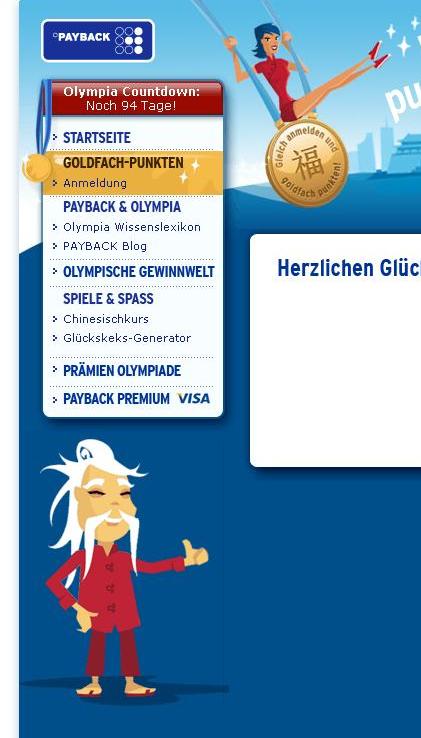
….und nicht anders stellen sie sich bei payback also die Chinesen vor.

Ich behaupte an dieser Stelle einfach mal, dass heutige, europäische Verbraucher mit der Zeichnung im Screenshot eine Parallele zu ihrem Chinabild [Schiinahh, Kiinahh] erkennen – und es auch ganz wunderbar zu den bewegten Bildern im Poparchiv im McChopstick-Stil zuordnen können. Ist das jetzt gut oder schlecht?

ambiguity at work

There’s this story going round that the German Federal Intelligence Service (BND) tapped an Afghan Ministry – which stirred up some dust on their work. The issue came into limelight when journalist of the SPIEGEL realized that they were also being monitored due to conversations they had with an Afghan Minister in the past.

Now, I am not the person to deliver any facts or details on this particular story, but I really have to wonder about some fellow Germans who apparently think that there’s anything wrong about this procedure…Well, is it?

I leave it to you to decide if an Intelligence Agency (responsible for foreign affairs) *should* use all available technical facilities to monitor all electronic communication. Obviously, this also is a a) a political decision and b) if *they* think it’s appropriate, they will do it – with or without a political or legal mandate.

What really worries me though is this new law in Germany that gives so much more power into the wrong hands and which enables them to monitor all electronic (communication) data within the country.
Only ~ 30.000 ppl out of ~ 80 Million registered with a lawyer in Berlin to impeach the Government on their behalf on this issue. I am one of them. We all HAD the chance of taking the Government to court on this stupid and dangerous law, but only a relatively few took the opportunity of doing so. Main excuse: “I don’t have anything to hide..”. As IF that was reason enough to accept this law without regarding the personal consequences this really implies. I did have some nasty conversations – even with relatives – on this issue and it always appeared to me that they never really wanted to understand the impact this will have on everyone of us in future. Ppl just dont’t want to understand it.

Oh, terrorism? “Terror(ism) is what they do to us”.

My colleague Chris also blogged on this in English earlier this year in a very comprehensive article.

Now, according to this article in the Frankfurter Allgemeine Zeitung (FAZ), all e-mail traffic of the named Afghan Ministry is said to be done via Yahoo!.

And this is exactly where I thought: WHAT THE….why-o-why are they still using Yahoo!?????

Take Afghanistan and replace that word with any other country. ANY! I am sure there are hundreds or thousands of potential victims out there (including me) who haven’t yet really protected their online activities or who don’t even know about how to engage protective measurements.

We do have a Federal Office in Germany – the Bundesamt für Sicherheit in der Informationstechnik – that provides directives and trainings on how to secure your online activities. Only, they are not being applied in this particular case, because if they were serious on this, they could have told the Afghan Ministry to stop using Yahoo! & other free (unsecured) webmailers. And politicians often aren’t the ones who think in IT-security terms. Hell, who does? So if they don’t know, it’s easier to spy on them. Simple as that. Besides, everyone knows that everyone is spying on everyone.

Case in point: I’ve seen many many fellow ppl working in the Government of Kenya who were using free webmailers. If you were interested in monitoring them, just wouldn’t need advanced equipment. And with the Government having access to GSM monitoring equipment, even cellular phones aren’t fully protected.
I believe there’s no 100% secure concept out there to protect you from any tapping or DDoS, so it’s up to you to decide what and to which extent you want to communicate online.

Another analogy to Kenya:

Six of the 20 Afghan cabinet ministers had spent part of their lives in Germany and spoke German, the newspaper said. Farhang holds a doctorate from the University of Cologne and taught at the University of Bochum before returning home. (source)

As long as there are interests and investments at stake, there will always be a monitoring of other parties, governments or just indivduals. With or without a political mandate, with or without any moral obligations and regardless of any “good relationships” with deployed politicians. Raila of course knows this, but hey: as long as the GoK keeps on buying Mercedes and strucks some maintenance deals for the fleet – why worry?

real freedom isnt a matter of age

There’s this friend of mine with whom I was schooling until Abitur (~ A-levels). I know him since 18 years now and it’s a pleasure meeting him all the time – we currently work at the same company, his office is just one floor above mine.

He’s married with two lovely kids now and has already been working abroad for 5 years for an international organization.

There’s this age difference of 3 years between us and although he always used to be the youngest in our class, the age difference never mattered.

Today he told me he feels like being 40 years old whereas I feel like being something like 26 or so.

The truth is somewhere there in the middle.