Mater-Bi?

…just when I thought about entering my idea about those biodegradable cotton swabs into a contest @ mission-sustainability.org, I came across this interesting brochure (PDF, ~ 3,6MB) via European Bioplastics – a “European branch association representing industrial manufacturers, processors and users of bioplastics and biodegradable polymers”.
Inside the brochure, I found this picture by Novamont:

novamont

Well, seems like a smart company out there already knows what to do…

As for the contest: “We are interested in your very personal, your original actions for how to make your everyday life and that of others more sustainable. It can be ideas regarding everyday situations such as your consumption habits or your use of energy, it can be ideas for how you – together with others – could transform your immediate surroundings or area into a community. It may, though, be something completely novel, truly unique – something completely different and something nobody ever thought about!”

Just as important as describing to us your goals is the creative, visual implementation of your idea. We want to be able to see what effect your change in behaviour will have on others – and as the saying goes, a picture says more than a thousand words… You can send us graphics of what you want to achieve, photos of you putting your idea into action or drawings of how you imagine the world to be once you have reached your goal. Be funny, be serious, be wild and whacky or just original – we look forward to seeing your work!
You can submit a maximum of three actions, each accompanied by one visual representation. Everyone, from all countries and of all ages is invited to take part in the competition. You can post your ideas and their visual representations straight onto our website.”

The closing date is August 31st, 2007.

Btw, bioplastics are a very interesting alternative – just think of all those plastic bags in Kenya and compare that with the ban of plastic bags in countries like Rwanda.

Entdecke die Möglichkeiten

“Das Web ist ein Werkzeug, mit dem Millionen Menschen eine regelmäßige und sinnvolle Tätigkeit simulieren. Die von der Bundesregierung ermittelte, durch das Web verlorene echte Arbeitszeit von zwei Jahren pro Person wurde kürzlich hinten drangehängt.

Weblogs (auch: Blogs) sind einfache elektronische Publikationssysteme, die von der CIA entwickelt wurden. Weblogs geben Bürgern das Gefühl etwas zu sagen zu haben und verhindern dadurch möglicherweise störende, tatsächliche Aktivitäten. Weblogs sind das digitale Equivalent zum Demonstrationsrecht. (Quelle)”

…so heißt es ironischerweise beim Johnny in einem Artikel, der die schöne bunte 2.0 Welt im Web dem interessierten Leser näherbringen will.

Man kann sich das ruhig mehrmals durchlesen.

Viele Blogs im deutschsprachigen Internet, so erscheint es mir zumindest, haben sich auf das Zusammentragen von Online Informationen spezialisiert. Informationen, die nur in dieser virtuellen Online Welt existieren und von Interesse sind.
Als Beispiel sei hier die Berichterstattung über neue Web 2.0 Dienste genannt – z.B. über neue Plugins für WordPress (s.u.), wenn Flickr mal wieder nen Schluckauf hat oder dass SonyEricsson in Second Life einen Cebit Stand eröffnet.

Für Geeks ist das schon sehr sexy.

Nur: es hat in der realen Welt da draußen eine eher geringe Bedeutung.

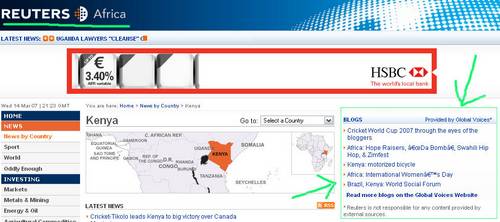
Dass es auch anders geht, zeigt Reuters auf seiner überarbeiteten Website.
reuters

Mein Kumpel Mentalacrobatics aus Nairobi erwähnte es bereits letzte Woche: Reuters setzt ab sofort auf seinen Länderseiten im neu überarbeiteten Afrika-Portal auf Bloginhalte, die bei GlobalVoicesOnline zusammengetragen und von Autoren freiwillig aufbereitet werden. Bloginhalte von lokalen Blogs, wie sie z.B. hier auch im Kenianischen Blogwebring zu finden sind.

Freilich, Kenia ist nicht Deutschland, es gibt dort nur zwei bedeutende und einige unbedeutende Tageszeitungen; in Kenia gibt es keine taz und Meldungen, die in Dland wohl eher von Praktikanten zusammengeschustert werden, müssen dort vom Agenturticker 1:1 übernommen werden. Insofern ist man dort auf die Berichterstattung durch Blogger viel mehr angewiesen als hierzulande, wo Blogs wohl eher der Unterhaltung dienen.

Kenia an dieser Stelle auch nur als Beispiel – es gibt sicherlich noch viele andere Länder, in denen es mit der Presse- und Meinungsfreiheit nicht so rosig ausschaut, und in denen Blogs als eine der wenigen repräsentative(re)n Quellen angesehen werden können.

Reuters hat dies verstanden, und nutzt seitdem Blogs als zusätzliche Infoquelle.

Beim Hash von WhiteAfrican wird zur Zeit wieder über ein Mobilfunk Community Projekt in Afrika nachgedacht, bei dem über SMS als möglichen Kommunikationskanal die Menschen auf einem lokalen Weg erreicht und angesprochen werden können.

Hash trat mit dieser an sich sehr interessanten Idee vor einigen Monaten an die Öffentlichkeit und warf es so in die Blogosphere – wobei auch er (wie ich) in dem kenianischen Blogwebring verlinkt ist. Die Verlinkung bedeutet übrigens auch die Einbindung von Bloginhalten in Feeds, so daß täglich eine recht breite Masse von Lesern mit den Inhalten der kenianischen Blogosphere rein visuell konfrontiert wird.

Das interessante an dieser Diskussion, und wieso ich es überhaupt erwähne, ist die Tatsache, dass auf einmal so richtig deutlich wird, wie sehr dieses Bild von “Afrika” fälschlicherweise in den Köpfen der Leute steckt – und wie sehr von außen von einer Einheit ausgegangen wird.

Gut, wir kennen das von der USAmerikanern, die uns hier in Deutschland auch als Teil von Europa sehen, als Teil einer Einheit die wir selber gar nicht so aktiv wahrnehmen.
Im Vergleich zu den afrikanischen Ländern sind wir aber in Europa auch einheitlicher organisiert – alleine wegen des Euros und der Gesetzgebungsrichtlinien durch die europäische Kommission. Gibt es ja alles nicht bei der noch recht jungen Afrikanischen Union.

Das ist dann mitunter einer der Gründe, wieso interessante Web 2.0 Projekte wie Muti aus Südafrika in einigen westafrikanischen, frankophonen Ländern überhaupt nicht bekannt sind: nicht nur wegen der sprachlichen Unterschiede (wenn man von nationalen Sprachen ausgeht, sind wir im vereinigten Europa schon mehrsprachiger, oder?) oder technischer Zugangsschwierigkeiten, sondern weil es unterschiedliche Welten sind, die einander vorbeileben.

Dabei hat sich in den letzten Jahren das Handy als Endgerät in den meisten afrikanischen Ländern als DIE Kommunikationsplattform entwickelt. Das ist ein Prozess und eine Geschwindigkeit, wie sie keiner so schnell erahnt hätte.
Der Unterschied zu einem anderen schnell wachsenden Markt wie Indien oder China besteht dann darin, dass diese beiden Länder, gleichwohl sie als Subkontinente betrachtet werden dürfen, vergleichsweise homogener auftreten.

Es muss also an dieser Stelle die Frage gestellt werden, ob der Mobilfunksektor in Zukunft eine DER neuen Völkerverbindenden Möglichkeiten darstellt, mit dessen Hilfe einzelne Länder, oder auch Völkergruppen innerhalb einzelner Länder zu einer größeren Einheit zusammengeführt werden können.
Ich nehme an, dass der Mobilfunk jetzt schon dort Brücken schlägt, wo es bis vor einiger Zeit noch keine Kommunikation gab, und so auch keinen gesellschaftlichen Fortschritt hin zu mehr Einheit.

Und das – diese Völkerverständigung durch neue Technologien – finde ich dann wieder gut an Web 2.0 & all dem Schnickschnack.


database tuning on wp

While doing some domain reconfigurations with my hoster, I today realized that the mySQL database, which powers this blog, was waaaayyyyy to big: 115MB instead of a designated 100MB. Also, this blog has been a bit slow in the past as it always took more than a few seconds to load.

So I googled for an faq on database tuning and came across this neat plugin, which unfortunately isn’t available in English, only German. However, what it does is checking the database for obsolete or double entries, and – the best option: it changes the indices and adds alternative indices which result in a faster access of the database (+ some other nice goodies). The direct result is that wordpress instantly loads much faster. Sweet :-)

And then of course there are the statistics. Stats entries, which took up 96 MB alone. Aiii…… maybe I should only use those external site stats services (sitemeter, etc.) instead of stats-plugins for wp.

Deleting edata is such an alleviating feeling.

Mieren neuken.

Mieren neuken.

* Literal Translation: “Engaging in sex with ants.”
* Meaning: “Being obsessed with details.”
* English equivalent: “Splitting hairs.”

Perhaps one of the reasons I fell in love with the Netherlands the other day. :-)

trotzdem….

1&1.de

1&1

web.de

webde

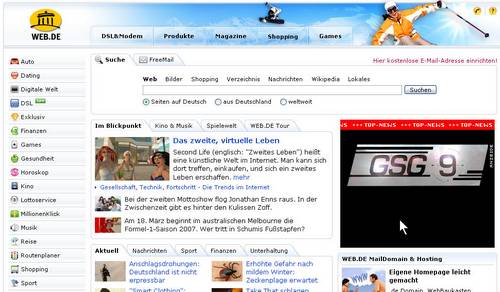
…ist der Webmailer von 1&1 einfach nur sch…. schlecht. Und ja, obwohl die Einstiegsseiten von der United Internet AG fast gleich sind.

Wieso kann es nicht einen genialen Webmailer geben, der alles unterstützt, super schlank ist und damit auch im allerletzten Kaff der Welt über eine ätzend lahme Inetverbindung funktioniert?

Gmail ist nett, aber bietet leider keinen POP3 Sammeldienst wie z.B. Web.de an. Gmail läuft auch nicht über lahme Modemverbindungen (vor allem nicht die tollen Ajax Anwendungen). Web.de ist gut, aber leider nur auf Deutsch verfügbar sowie kostenpflichtig bei richtigem Gebrauch. GMX find ich von der Adresse her blöd, und die 1&1 Webmailer sind so etwas von unbrauchbar, dass man einfach nur schreien möchte. Waaaaaah! Ok.

Gmail für die Domain einrichten? Ginge. Aber dann läuft es wieder nicht richtig rund wenn die Verbindung mal nicht so optimal ist. Und SquirrelMail als eigener Webmailer ist in der Praxis SO etwas von bescheuert…

Zur Zeit lasse ich alle meine email Konten bei web.de im POP3 Sammeldienst zusammentrudeln, es wird dort aussortiert und dann via POP3 heruntergeladen.

Aber so optimal ist das nicht. Wie macht Ihr das?

where is my water, dude?

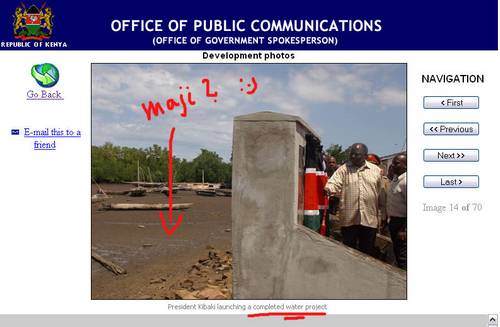
My, oh my…so I opened the website of The Standard, and came across this animated gif, which leads us to the Website of the “Office of Public Communications“.

Oh? A photo gallery? Lemme see….*click*…. :

majijimmy

“President Kibaki launching a completed water project.”

Please: with cheap questions such as “What has Kibaki done with your money?” (as shown on that animated gif!), I’d at least also expect the same sort of populism on the sample images as shown on the public communications website. You are talking about water? Then show us the water. Simpoool…

I don’t know who’s responsible for this publicity, but when it comes to politics, my own experience is that Kenyans aren’t that dumb to see WHAT Kibaki, as a person, and the NARC government has brought upon Kenyans in the past.

And I think by now everyone interested has understood so far that the “Baba Moi” era is over, and that change doesn’t entirely depend on a single person in power. So how come they are refocusing it back on a single person? Because of Raila? LOL..

fake usb sticks

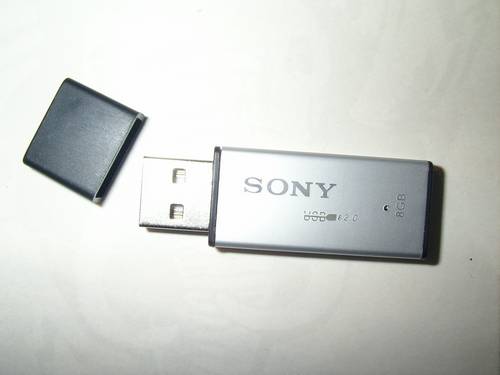
A friend of mine recently travelled for business to Guangzhou in China and was offered the following USB flash sticks at a size of 8GB each.

SANY0005

At a price of about EUR 11,- ( ~0,73 EUR/ MB) each, he quickly decided to buy two sticks. Since he was afraid of being lured into bogus deals by conmen (hey, China is evil :-), he asked for some testing – and on the salesman’s computer, these sticks just worked fine. Windows declared their size at 8 GB each.

Upon returning home, he quickly realized that these sticks actually only offer 16 MB each. 16 MB vs. 8000 MB. What a bummer!

Some quick googleing revealed the following information on the Ebay user forum:

More than 95% of all 1GB, 2GB, 4GB and 8GB USB Flash Drives listed on eBay are counterfeit items and have ‘fake’ capacities. 100% of all 16GB and 32GB USB Flash Drives are FAKE.

They were reprogrammed from much smaller cousins 128MB, 256MB and 512MB capacity drives for quick profit!

Difficult to differentiate visually, as they look like cousin to a real mccoy. Most of them even have brand new packaging, serial numbers like a real mccoy. (source)

And further down it says:

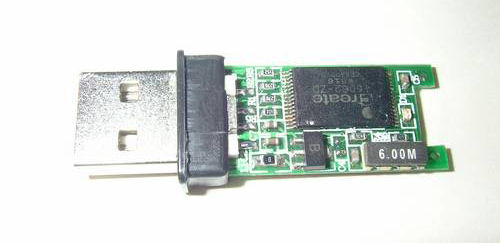
A very high percentage of the counterfeit flash memories are using Hyperstone and iCreate memory controllers, instead of the original manufacturer’s own memory controller!

Aii??

SANY0008

Now what’s that? An iCreate controller chip, isn’t it? Bingo!

And the article also informs us that “you MUST perform data test by writing a BIG (1GB/2GB/4GB/8GB) file to the usb drive, then READ back the same file from the usb drive to another location on your PC to compare. The READ back process is the only proven way to uncover its ‘REAL’ capacity.”

I am mentioning this because I know USB flash sticks have become very popular all over the world, and while I dislike them for security reasons (import of viruses to computers, quick theft of sensitive edata from companies, etc.), I also know that some of these fake sticks have been sold in Kenya as well.

Someone at our office in Embu bought a bunch of Sony “Vaio” (LOL!!) sticks in the past, and those sticks quickly quit working properly. Upon opening, we found them being made in a very cheap way and any bigger memory chip was in fact missing. And those were 1 GB sticks each which were by that time procured for a price of about Ksh. 5.000 – per stick! Argh!! Also, the office is part of the MW&I, so there you go, wondering who would actually want to cheat the GoK, and, indirectly also the rest of Kenyans.

So please, if you feel that your USB stick isn’t working the way it is supposed to be, or if you want to avoid any future problems while buying that neat 1 GB stick in downtown Nairobi, pls use a programme like this one to double check them before purchase. Might help to avoid some frustrations…

Ahh, this btw also applies to (fake) memory cards!

More on this here, here and here.